Inshore vs Offshore Fishing: Which Trip Fits You?


 Published: Oct 16, 2026
 6 min read
Summary
A clear comparison of inshore and offshore fishing covering gear, target fish, trip length and cost. Written for anglers around West Palm Beach who want to choose the right style of trip before they book.
What Separates Inshore From Offshore Fishing
The split comes down to where the boat goes. Inshore fishing happens close to land, in protected water near the coast, and in lakes. Offshore fishing means running out into open ocean, away from the shoreline, where the water is deeper and the horizon is empty in every direction.
That one difference shapes almost everything else about the day. The boat ride, the tackle, the fish you can expect, the time on the water and the price all change depending on which side of that line you choose. Knowing how they compare makes fishing trip planning a lot easier, especially if you have never booked a charter before.
Tuna Wahoo Charters runs out of West Palm Beach, FL, and the guide's offerings include inshore and lake fishing. If you are weighing up the two styles for a trip in this area, the sections below walk through what actually changes from one to the other.
Gear and Tackle
Inshore fishing generally calls for lighter gear. Shorter rods, smaller reels and lighter line are the norm because you are fishing shallower water and dealing with smaller fish. The rigs are simpler, and casting is often a big part of the day, so you get plenty of hands-on time with the rod.
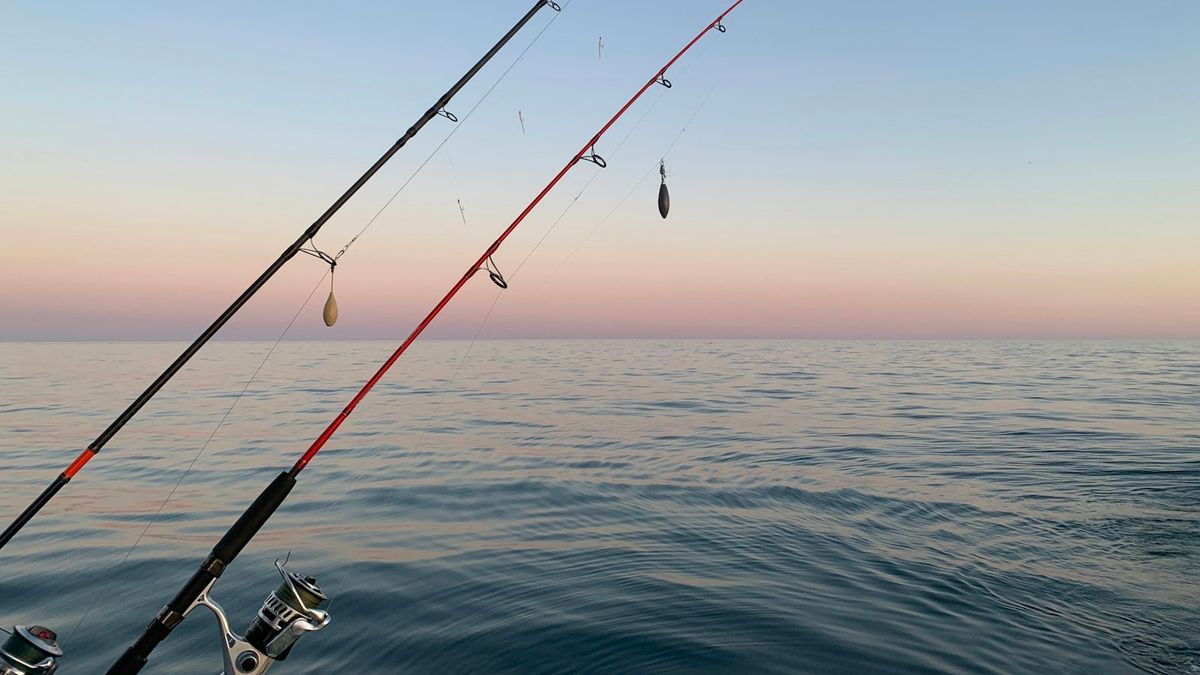
Offshore fishing asks for heavier equipment. Longer, stiffer rods, larger reels with more line capacity and stronger leaders are standard, because the water is deeper and the fish pull harder. Trolling is common offshore, which means rods sit in holders while the boat moves and you wait for a strike.
For most customers, the gear question answers itself. On a guided charter the captain sets up the tackle for the style of fishing you chose. Ask what is included when you book so you know whether to bring anything of your own.
Target Species and What to Expect
Inshore trips put you in calmer, shallower water, and the fishing tends to be steadier and more hands-on. You are usually working structure and shoreline, casting and adjusting as you go. It suits anglers who like staying active and learning technique.
Offshore trips go after bigger, stronger fish in open water, and the day often has long quiet stretches broken up by bursts of hard action. When a rod bends, it can bend fast. The name Tuna Wahoo Charters points to the kind of fish many people picture when they think about the open ocean, but confirm the specific species with the guide for your date before you book.
Which fish you can target depends on the water, the season and the guide's plan for the day. Rather than count on a particular catch, ask the guide what the trip is set up to pursue and what is realistic for your outing.
Trip Length and Comfort
Time on the water is where the two styles often feel different. Inshore trips tend to be shorter because the fishing grounds are close, so less of the day is spent running out and back. Offshore trips usually need more time, since the boat has to travel farther before anyone makes a cast.
Comfort matters here too. Protected inshore water is generally smoother, which helps families, first-timers and anyone who gets uneasy on a boat. Open ocean can be choppy, and a long day in swell is harder on someone who is not used to it. If you are prone to seasickness, that alone may point you toward the calmer option.
Check the exact trip length on the booking page for the trip you are considering, since durations vary from one charter to the next.
Cost Differences
Offshore trips usually cost more. The boat burns more fuel on the longer run, the day is often longer, and the heavier setup adds to the overhead. Inshore trips are typically the more budget-friendly way to get out on the water.
Price also depends on how the trip is booked. A shared trip splits the boat with other guests, which keeps the cost per person down, while a private charter gives your group the whole boat and more control over the day. Current pricing for each trip type is listed on the guide's rate cards, so compare those rather than guessing.
Remember that a lower price is not automatically the better deal. A cheaper trip that does not match what you wanted out of the day is money spent on the wrong thing.
How to Choose the Right Trip
Start with what you want from the day, then work backward to the trip. A short checklist helps.
- First-timers and families: inshore, for calmer water and a shorter day.
- Anglers who want heavy tackle and a bigger challenge: offshore.
- Tighter budgets: inshore, or a shared trip if one is offered.
- Lake fishing: ask about the lake trips the guide runs, which sit on the quieter end of the range.
Before you book, send a few simple questions to the guide. Ask how long the trip runs, what gear and bait are provided, and what the plan is if the weather turns. Those answers tell you more about the day than any general comparison can.
If you are still unsure, the inshore option is a safe place to start. You can always step up to an offshore trip once you know how you handle a day on the boat.