Scuba Diving Gear Checklist for Your First Boat Dive


 Published: Oct 31, 2026
 7 min read
Summary
A plain-spoken scuba diving gear checklist for new divers heading out on a first boat dive. It covers personal items versus core equipment, what is usually owned or rented, and why each piece matters, with West Palm Beach in mind.
A first boat dive is a different experience from a shore entry. You step off a moving platform, your gear has to be organized before you leave the dock, and there is very little room to fix a forgotten item once the boat pulls out. A good scuba diving gear checklist keeps the day simple. It also helps you understand what every piece of equipment does, so you are not just following a list.
This guide walks through the personal items and core equipment a new diver should know before a boat dive. It also explains what divers typically own versus what is usually rented or supplied, since that split is where most beginners get confused. If you are planning a dive out of West Palm Beach with Tuna Wahoo Charters, use this as a starting point for the conversation about what your trip involves.
Start With Owned vs. Rented Gear
Most divers build their own kit slowly, and the order matters. The items that touch your face, mouth and feet are the ones people tend to buy first, because fit is personal and a poor fit ruins a dive. The heavier, more expensive life-support equipment is often rented or supplied until a diver has logged enough dives to know what they like.
That is a general pattern, not a promise about any single trip. What is included on a given charter, and what you need to bring yourself, is something to confirm directly with Tuna Wahoo Charters when you ask about their scuba diving offer in West Palm Beach. Ask early, because it changes what you pack and what you spend.
The Personal Items Most Divers Own
Think of these as the pieces that depend on your body. A mask that leaks or fins that rub a blister raw will distract you more than any other problem underwater.
- Mask: It has to seal against your face without strap pressure. Hold it to your face without the strap, breathe in through your nose, and let go. A good mask stays put.
- Snorkel: Useful for surface swimming and saving tank air before you descend, and for staying comfortable while you wait at the surface.
- Fins: Open-heel fins with boots suit boat diving well. Closed-heel styles work too. What counts is that they fit snugly and do not cramp your feet.
- Exposure protection: A wetsuit or skin keeps you warm and protects against scrapes. Your comfort level in the water decides how much you need.
- Dive computer or gauge: This tracks depth and time so you stay inside safe limits.
Buying your own mask and fins is a sensible first step for a new diver. They are small, they pack easily, and a mask you have already tested in a pool is one less variable on the boat.
Core Equipment and Why Each Piece Matters
The core equipment is what keeps you breathing, buoyant and in control. A new diver does not need to be an expert on the engineering, but you should understand what each part is for before you roll off the boat.
The regulator is the piece that turns high-pressure air from your tank into air you can actually breathe. It is life-support equipment, so it should be checked and properly maintained before every dive. Whether you rent one or own one, make sure you breathe from it at the surface before you descend and confirm the air flows smoothly.
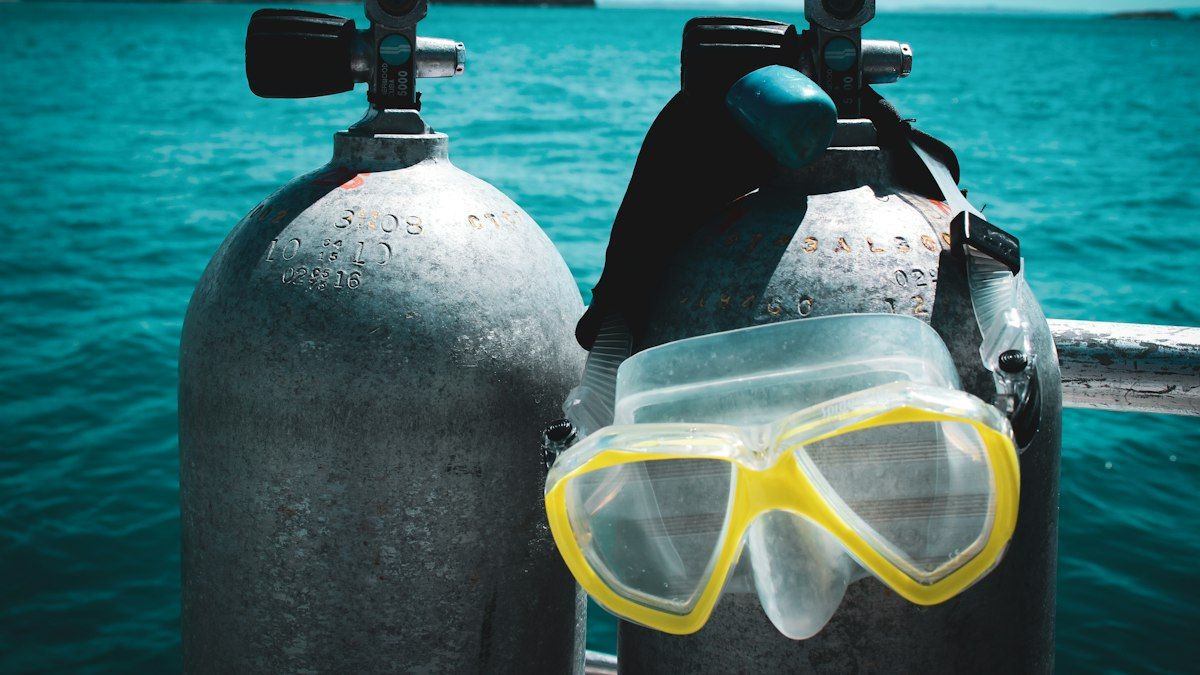
The buoyancy control device, or BCD, holds your tank on your back and lets you add or release air to float, hover or sink. It also carries your weights if you use an integrated system. Getting the size right matters, because a BCD that is too loose shifts around and one that is too tight restricts your breathing.
The tank holds your air supply, and the weights offset the buoyancy of your body and wetsuit so you can descend. Weighting is one of the trickiest things for a new diver to judge. Too little and you cannot get down. Too much and you fight to stay off the bottom. This is a good reason to talk through it with your guide instead of guessing.
Extras That Make a Boat Dive Easier
Boat diving has its own small demands. Decks get wet, space is tight, and you may spend time sitting between dives. A few extras earn their place in the bag.
- A mesh gear bag that drains, so wet equipment does not pool water.
- A towel and a dry change of clothes for the ride back.
- Sun protection, since reflected light off the water is stronger than most people expect.
- Drinking water, because you can lose a lot of fluid while diving and sitting in the sun.
- Your certification card and any logbook you carry, if your trip requires them.
If you tend toward seasickness, ask about it before the trip rather than on the boat. It is easier to plan for than to fix once you are underway.
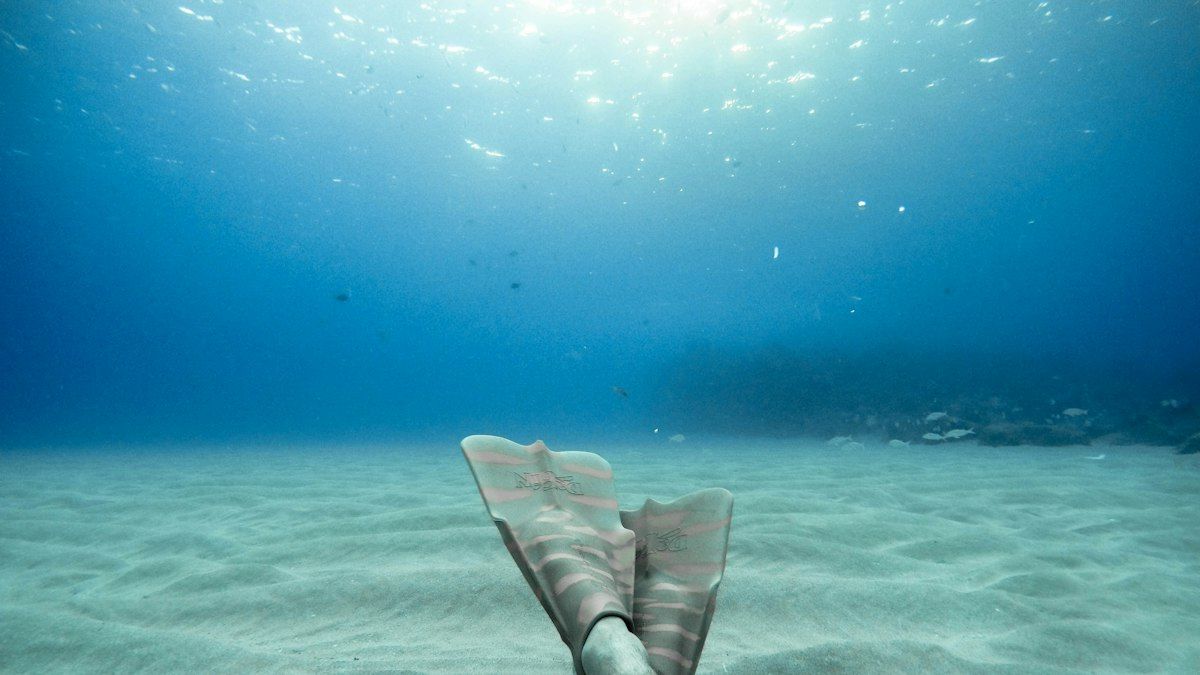
Fins deserve a final word because new divers often underestimate them. They are your main source of power underwater, so a stiff blade that feels fine in a shop can tire your legs on a longer swim. Try a pair in a pool or on a short dive before committing to a full boat day with them.
How to Pack and Prepare Before You Go
Lay everything out the night before and check it against your list. Rinse and dry any gear you own, and look over straps, buckles and hose connections for wear. Pack the small, easy-to-forget items first, like your defog, spare mask strap and any medications.
Then bring your questions to the operator. Ask what is supplied, what you need to bring, what size information they need from you, and what to expect on the day. A short conversation with Tuna Wahoo Charters before your West Palm Beach dive will tell you more than any generic list can, and it keeps you from showing up with the wrong gear or paying for something you did not need.
A first boat dive goes best when you arrive prepared, comfortable in your gear, and clear on how each piece works. Use this checklist to get ready, confirm the details with your guide, and spend your attention on the dive itself.