How to Avoid Seasickness on Fishing and Dive Boat Trips

Smooth Water, Better Day
Plan your next offshore trip out of West Palm Beach with Tuna Wahoo Charters.

Published:
Updated:
Why Your Stomach Turns on the Water
Seasickness is a signal problem. Your inner ear feels the boat rolling and pitching, but if you are standing in a cabin or staring at a phone, your eyes tell your brain the world is holding still. Those two reports do not match, and the brain responds with nausea, sweating, a pale face and a sudden loss of appetite.
Nothing is wrong with you if it happens. Plenty of experienced anglers and divers get it, especially when they have been away from the water for a while. The good news is that most of what helps comes down to giving your brain fewer conflicting signals and not starting the day on a weak footing.
Offshore fishing and boat-based scuba diving both put you on the water for hours, often with periods of drifting or slow trolling where the swell lifts the boat in a steady rhythm. Dive days add a second wrinkle, because you may be gearing up on a moving deck. Knowing the cause makes the fixes below easier to follow.
Start the Trip Before You Leave the Dock
Your preparation the night before matters more than anything you do once the lines are off. Sleep as much as you can. A tired body handles motion poorly, and an early departure after a late night is one of the most common ways people end up hanging over the rail.
Go easy on alcohol the evening before. Even a couple of drinks can leave you dehydrated and queasy in the morning, and the boat will not be kind to a sore head. Drink water through the day before and again at breakfast.
Eat a real breakfast, but keep it plain. An empty stomach tends to make nausea worse, and so does a greasy, heavy plate. Toast, a banana, plain crackers, oatmeal or a simple sandwich are the sort of food travelers reach for. Skip the fried bacon and the third cup of strong coffee.
- Get a full night of sleep
- Skip heavy drinking the night before
- Eat a light, plain breakfast
- Drink water before you board
Choose Your Spot on the Boat
Where you stand or sit changes how much motion you feel. The middle of the boat, low and near the center line, moves the least. The bow rises and drops the most, and the stern can sway and catch exhaust fumes, which make some people feel worse.
Fresh air helps. Staying out on the open deck is usually better than sitting in a closed cabin, where motion is felt without a view of the water. If the boat has a seat near the middle with the wind in your face, that is a good place to settle when the swell picks up.
Try not to spend the trip with your head down. Rigging tackle, reading, tying knots and scrolling a screen all force your eyes to focus on something close while the boat moves. Do those jobs early, before you leave the harbor, or take short breaks and look up often.
Use the Horizon as Your Anchor
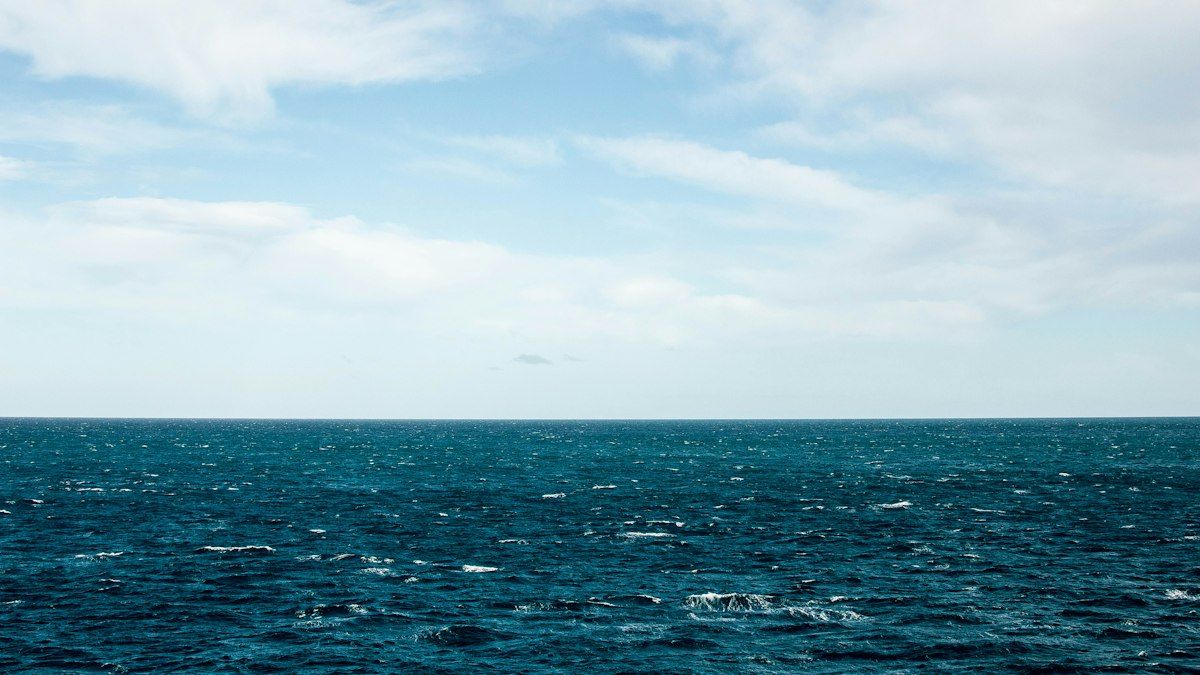
Looking at a fixed point far away is one of the oldest tricks for motion sickness. The horizon does not roll with the boat, so it gives your eyes a steady reference that agrees more closely with what your inner ear is feeling. Keep your gaze on it, and let your body move with the boat instead of fighting it.
If you start to feel off, do not wait. Step out into the air, face the direction the boat is heading, and fix your eyes on the horizon. Breathe slowly and steadily. Many people find the queasy feeling fades within a few minutes when they do this early, while staying below and pushing through tends to make it build.
Keep Eating and Drinking Lightly
It sounds backwards, but a completely empty stomach often feels worse than a lightly full one. Over a long day on the water, take small amounts of plain food and sip water rather than waiting until you are miserable. Dry crackers, pretzels, a plain granola bar or a piece of fruit are easy on most stomachs.
Stay away from greasy, spicy or very sweet foods while the boat is moving. Strong smells can set off nausea too, including fuel, bait and fish cleaning, so it helps to stand upwind of those when you can. Sip fluids steadily through the day, because dehydration adds to the dizzy, washed-out feeling.
Skip the big mid-trip meal if the swell is running. Small and often works better than one large lunch, and you can always eat more once you feel settled.
Special Notes for Dive Days
Boat dive nausea has its own pressures. You are putting on a wetsuit and heavy gear on a moving deck, you may be warm and breathing hard, and then you have to get in the water. Take your time kitting up, and do it in the open air rather than hunched in a cramped, stuffy space.
Many divers find the water itself brings relief, because the motion disappears once they descend. Still, feeling sick at the surface is a real concern. Nausea is not something to push through underwater, and vomiting while diving brings its own problems. If you feel unwell before a dive, tell the crew and the people you are diving with, and make the call together about whether to go in.
The same advice applies for the surface interval between dives. Stay in the fresh air, eat something light, drink water and keep your eyes on the horizon until you feel level again.

Talk to a Professional About Medication
Over-the-counter and prescription remedies exist for motion sickness, and some people swear by them. We do not recommend any particular product here. Which one suits you depends on your health, your age and anything else you take, and some options cause drowsiness that does not mix well with driving, diving or handling a rod.
Speak with your doctor or a pharmacist well before the trip. Timing often matters, since many remedies are taken ahead of time rather than once you already feel sick. Trying something for the first time on a charter morning is a gamble, so it is worth sorting out in advance, particularly if you are planning a longer offshore day.
Plan Ahead and Ask Questions
If you are booking a day out of West Palm Beach with Tuna Wahoo Charters, whether for offshore fishing or a dive trip, raise any worries about motion sickness when you reserve. A first-timer who knows what to expect usually has a calmer day than one who is quietly dreading it.
Bring a light layer, sunglasses, water and some plain snacks, and give yourself time to get settled on the deck before the boat gets underway. A little preparation, a good position on the boat and a steady eye on the horizon will carry most travelers through the day in good shape.