Bird Hunting for Beginners: Gear, Rules and Field Tips

Your First Bird Hunt Starts Here
Hunt with a guide who knows the ground. Ask about a guided trip today!

Published:
Updated:
Why a Beginner Plan Matters
Bird hunting looks simple from the outside. You walk, you watch, you shoot when a bird flushes. In practice, it asks for a lot of small skills that come together fast, and a first outing goes much better when you know them in advance.
This guide covers the basics a newcomer should have settled before stepping into the field. That means the gear worth buying first, the safety rules that never bend, the manners that keep you welcome in the field, and what a guided hunt looks like. Thenna Df of Tuna Wahoo Charters in West Palm Beach, FL, offers bird hunting as one of the experiences on the booking platform, and a guided trip is a good way to learn with someone beside you.
Nothing here replaces the rules in your own state. Licensing, seasons and bag limits change by place and by year, so treat every detail below as a starting point and check the current regulations before you go.
Beginner Hunting Gear That Earns Its Place
New hunters tend to overspend on gear they do not need and underspend on the pieces that matter. Start with a short list and add to it as you learn what you actually use.
- A firearm that fits you, handled by someone who has checked that it suits the hunt
- Ammunition matched to the firearm and to what you are hunting
- Eye and ear protection, worn every time
- Clothing that suits the weather and blends with the surroundings
- A bright item of safety wear if the local rules call for it
- A small pack with water, snacks and a basic first aid kit
Fit is the part beginners overlook. A firearm that is too long or too short for you is harder to mount, harder to point and less safe to carry. If you are unsure, ask a guide or a reputable shop to look at how it sits on your shoulder before you buy.
Footwear deserves real thought. Bird hunting often means a lot of walking over uneven or wet ground, and sore feet will end a day sooner than any lack of birds.
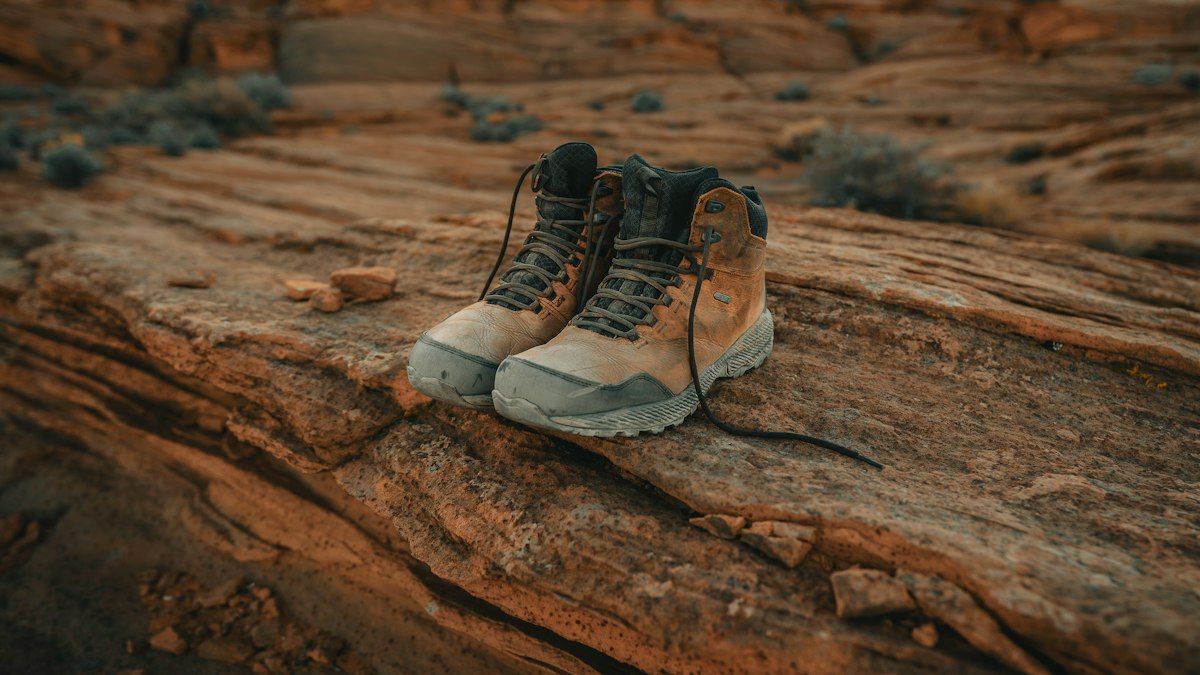
Pick boots that are broken in, supportive and suited to the terrain you expect. Wear them on a few long walks before the hunt so the first real outing is not also their first outing.
Safety Rules You Never Skip
Every experienced hunter learns the same core habits, and they apply from the first day. Treat every firearm as loaded, even when you are certain it is not. Keep the muzzle pointed in a safe direction at all times. Keep your finger off the trigger until you are on target and ready to shoot.
Know your target and what lies beyond it. A bird in the air can look very different once you consider where a shot might travel. If you cannot be sure of the background, you do not shoot.
Know where everyone in your group is at every moment. In a line of walkers, a clear plan for who covers which zone keeps swinging barrels away from people. Agree on that plan before you start moving, not after.
Carry the firearm in a way you have practiced, unload it before crossing fences or rough ground, and store it unloaded and secured when the day ends. These are habits, and habits form through repetition, so slow down early and let them settle.
Field Etiquette and Local Rules
Good manners in the field protect your hunt and everyone else's. Respect the boundaries of the land you are on, and never assume you have permission without confirming it. Leave gates as you found them, carry out what you carry in, and keep noise down when you are approaching birds.
On a group hunt, wait your turn and stay in your assigned position. Call out clearly when you see a bird so others know where it is and where you are shooting. Never swing on a bird that sits in another hunter's zone.
Rules around licenses, permits, legal hours, allowed methods and bag limits are set locally and change. Read the current regulations for the area you plan to hunt, carry the paperwork you need, and ask if anything is unclear. Not knowing a rule is never accepted as a reason for breaking it.
Practical Bird Hunting Tips for Your First Outings
A few habits help a beginner more than any piece of equipment. Practice mounting your firearm at home with it unloaded and checked, until the motion becomes smooth and the sights fall naturally where you look.
Spend time at a range or shooting course before the hunt. Moving targets are different from still ones, and feeling the timing of a swing in a controlled setting makes the field far less stressful.
Move slowly and watch the ground and the sky. Birds often give small clues before they flush, and a calm walker notices more than a hurried one. When a bird does get up, take a breath, pick one bird, and focus on it rather than on the whole flock.
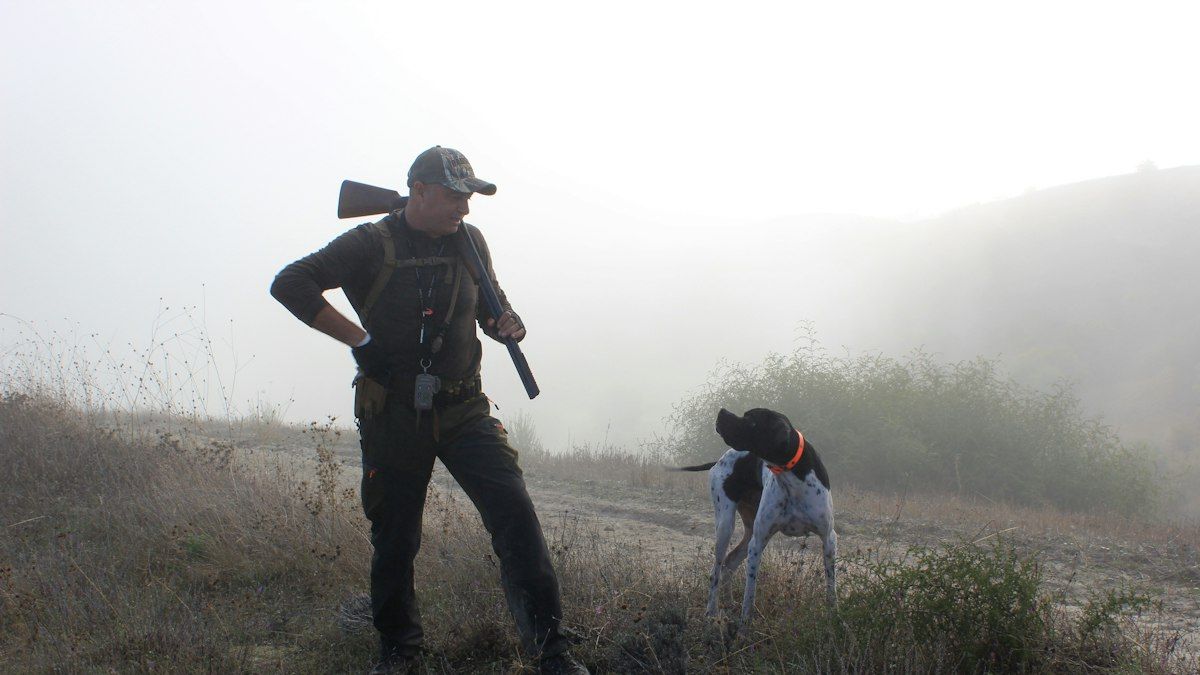
If dogs are part of the hunt, let them work and stay out of their way. A dog reading scent on the ground is doing a job that takes training, and the hunter's role is to stay positioned, stay alert and trust what the dog is showing. Watch how an experienced handler gives direction and you will pick up more than a book can teach.
What a Guided Hunt Involves
A guided hunt gives a beginner a person to learn from in real time. A guide can point out safe positions, explain how the group should move, and step in when something is unclear. You spend less energy worrying about what you might be doing wrong and more on actually hunting.
Thenna Df at Tuna Wahoo Charters offers bird hunting as a bookable experience. If you are considering a trip, ask direct questions before you commit. Find out what the trip covers, what you need to bring yourself, what licensing applies, and what happens if conditions are poor on the day. A good guide will answer plainly.
Come prepared with your questions about your own experience level too. Tell the guide honestly whether you have handled a firearm before, since that shapes how they run the day. Honest answers lead to a safer and more enjoyable hunt for everyone in the group.
A first bird hunt does not have to be intimidating. With the right basic gear, solid safety habits, good field manners and a guide who knows the ground, you can walk in confident and walk out having learned something real.