What to Target for Florida Keys Fishing in October

The Fall Bite Is On
Plan your October fishing trip with Tuna Wahoo Charters today.

Published:
Updated:
Why October Is Worth Planning Around
October sits in a sweet spot for Florida Keys fishing. The summer heat is easing, but the water is still warm, usually in the low 80s early in the month and sliding toward the upper 70s by the end. Fish that have been eating well all summer are still around, and the first signs of the winter species start to show up.
Water temperature drives most of what you will see in the fall. Baitfish react to small drops and move, and the predators follow them. A passing front that cools the surface a degree or two can turn a slow morning into a busy one, because bait gets bunched up and the fish feed with more urgency. Early October still feels like summer, while late October brings more days with a north wind.
Wind is the other thing to keep in mind. Fall fronts can make the Atlantic side lumpy for a day or two, then lay it down flat again. A good captain reads that pattern and picks the day and the spot to match, which is one reason fall can fish so well when you stay flexible.
Offshore Targets: Mahi, Tuna and Early Kingfish
Mahi-mahi are still one of the most reliable offshore targets in October. Look for weed lines, floating debris and color changes along the edge of the Gulf Stream, because mahi stack up under anything that holds bait. Blackfin tuna work the deeper reefs and ledges, and they usually eat when you give them a small, natural-looking bait. Kingfish show up more often as fall goes on, and they like those same bait-rich edges.
Wahoo and sailfish need a caveat. Both become a bigger story as the water cools toward winter, and October is when anglers start seeing the first of them. Do not book a trip expecting a set number of either. Treat them as a bonus on a day built around mahi and tuna, and you will be happier with the result.
Trolling covers water well when you are searching for these fish. Rigged ballyhoo and skirted lures behind the boat let you check several depths and edges quickly. Once you find a pack of mahi, stop and switch to live bait or small cut baits. They stay close to the boat when you keep them fired up, so one fish hooked can keep the whole school around.
Reef and Wreck Fishing in Fall
Yellowtail snapper are a fall staple on the reef. They school up behind the boat in a chum slick, and the trick is keeping the bait small and the line light so it drifts naturally. Mangrove snapper feed hard around wrecks and ledges too. The bigger ones get picky in clear water, so drop to a lighter fluorocarbon leader and a smaller hook when they ignore you.
Grouper and other bottom fish stay tight to structure through the month. Drop live or cut bait close to the bottom and be ready to turn the fish's head right away. A grouper that gets back into a hole is usually gone for good. Check the current FWC rules on size, bag limits and open seasons before you leave the dock, since several reef species have closed periods and the rules can change.
Flats, Bridges and Backcountry
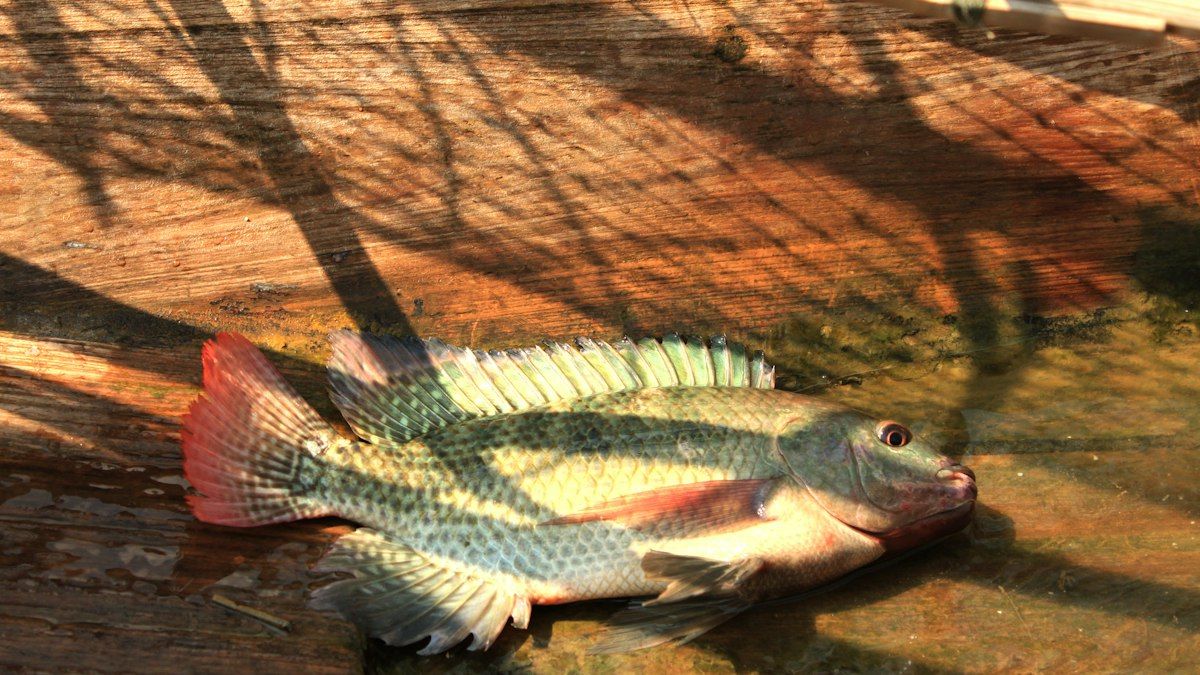
Inshore, October is a good month to be on the flats. Bonefish and permit feed on shallow edges and sand, and the cooler mornings make sight-casting more comfortable. Tarpon can still hang around channels and bridges early in the fall. Their numbers thin out as the water cools, so earlier in the month gives you better odds.
Backcountry mangrove edges hold snook and redfish. Both respond to moving water, so the tide matters more than the calendar. Fish the last of an incoming tide or the first of an outgoing one, and work baits close to the roots. A slow, quiet approach beats a fast one because these fish spook easily in shallow water.
Techniques That Work in Fall Conditions
Fall fishing rewards anglers who match what the fish are already eating. Baitfish are plentiful in October, so the fish can be choosy. A few approaches cover most of what you will run into.
- Chum and drift for yellowtail and mangrove snapper, using light leaders and small hooks.
- Troll ballyhoo or skirted lures along weed lines and ledges to find mahi, kingfish and early wahoo.
- Use live bait on the reef and wrecks when the bite is slow, because a lively pilchard or small bait gets eaten when artificial offerings do not.
- Sight-cast to bonefish and permit on the flats with light tackle and a quiet approach.
Leader size is a detail that matters more than most anglers expect. Clear water and well-fed fish mean they look closely at what you offer. Go as light as the fish allows, and tie good knots, because that is where most lost fish go wrong.
Planning Your October Trip
Book with some flexibility in your schedule if you can. October is still hurricane season, which runs through the end of November, so keep an eye on the forecast and ask about weather and rebooking policies when you reserve. Even without a storm, a strong front can change which day is best. A morning departure usually beats a late one, since winds tend to build as the day goes on.
Pack for sun and spray, even though the air feels milder than summer. Polarized sunglasses help you see fish on the flats and read the water offshore. Bring sunscreen, a light rain jacket and motion sickness medication if the ocean usually bothers you. Decide ahead of time whether you want an offshore day, a reef day or a flats day, because the gear and the boat setup differ for each.
Thenna Df of Tuna Wahoo Charters is based in West Palm Beach, FL. If you want to fish the Keys, confirm the departure port, the trip type and the target species when you inquire, so the day matches what you want to catch. Tell the captain what you are after and how much experience you have. That conversation helps more than any list of species will.