How to Plan a Fishing Charter West Palm Beach Trip

Your Day on the Water Awaits
Plan your West Palm Beach charter with Tuna Wahoo Charters today!

Published:
Updated:
A good charter day starts well before you step on the boat. The decisions you make in the planning stage, such as who you book with, what kind of trip you want and what you pack, shape how the day goes far more than most people expect. This guide walks through the process in order, so you can plan a fishing charter West Palm Beach trip without guessing at the details.
Start With What You Want From the Day
Before you contact anyone, decide what kind of trip you are after. A first-timer wanting a relaxed morning on the water needs something different from an experienced angler chasing a particular style of fishing. Think about how many people are coming, whether anyone is new to fishing, and how long you realistically want to be out.
Group makeup matters more than people admit. A boat with kids or beginners should aim for a calmer plan, while a group of seasoned anglers can ask for something more demanding. Write down your group size, rough experience level and the kind of day you picture. Having that on paper makes every conversation with a captain shorter and clearer.
What to Look For in a Charter
The captain matters more than the boat. When you read about a West Palm Beach fishing guide, look for someone who answers questions directly and explains what the trip involves without dodging. A good operator tells you what is covered and what is not before you pay anything.
Ask a few plain questions before booking. These cover the basics that most disputes later come down to:
- How long is the trip, and what time does it start and finish?
- How many people can come along?
- What is included, and what do you need to bring yourself?
- What happens if the weather turns?
- What does the final price cover?
Pay attention to how the answers come back. Clear, specific replies usually point to an operator who runs a tidy trip. Vague or evasive ones are worth noticing, since a charter is a small space where you spend several hours with the person running it.
Understand What a Trip Typically Includes
Charter trips vary, so never assume. Some trips supply rods, reels and bait, while others expect you to bring certain items. Some include a cooler or drinks, and some do not. The only reliable way to know is to ask the operator and get the answer in writing.
Treat the booking confirmation as your checklist. If something you care about is not mentioned, such as gear, bait, licensing or what happens to the fish you catch, ask about it directly. A short message now saves an awkward moment at the dock. Good operators expect these questions and tend to appreciate customers who ask them.
Price deserves the same scrutiny. Compare the total cost, not just the headline number, and check whether taxes or extras apply. Two trips at similar prices can include very different things, so line up what each one actually covers before you decide.
How to Prepare Before the Day
Preparation is mostly small, practical stuff. Confirm the meeting spot and start time a day or two ahead, and plan to arrive a little early so nobody rushes. Check the forecast the evening before, and keep your captain's contact details handy in case plans shift.
Look after yourself the night before. Eat a proper meal, drink water and get a decent sleep, because an early start on the water is harder on a tired body. If anyone in your group is prone to motion sickness, deal with that before you leave the dock rather than after. Ask your doctor or pharmacist what suits them, and take it in good time.
Sort out any licensing questions with the operator in advance. Rules differ by situation, and the captain is the right person to tell you what applies to your trip. Do not assume you are covered, and do not leave it until the morning of.
What to Bring Aboard
Pack light but sensibly. Boat space is limited, and a huge bag of gear is more hassle than help. Bring what keeps you comfortable and leave the heavy equipment at home unless the captain has asked for it.
If the operator asks you to bring your own tackle, confirm exactly what they want before you buy anything. Otherwise, a small collection of personal items will do the job.

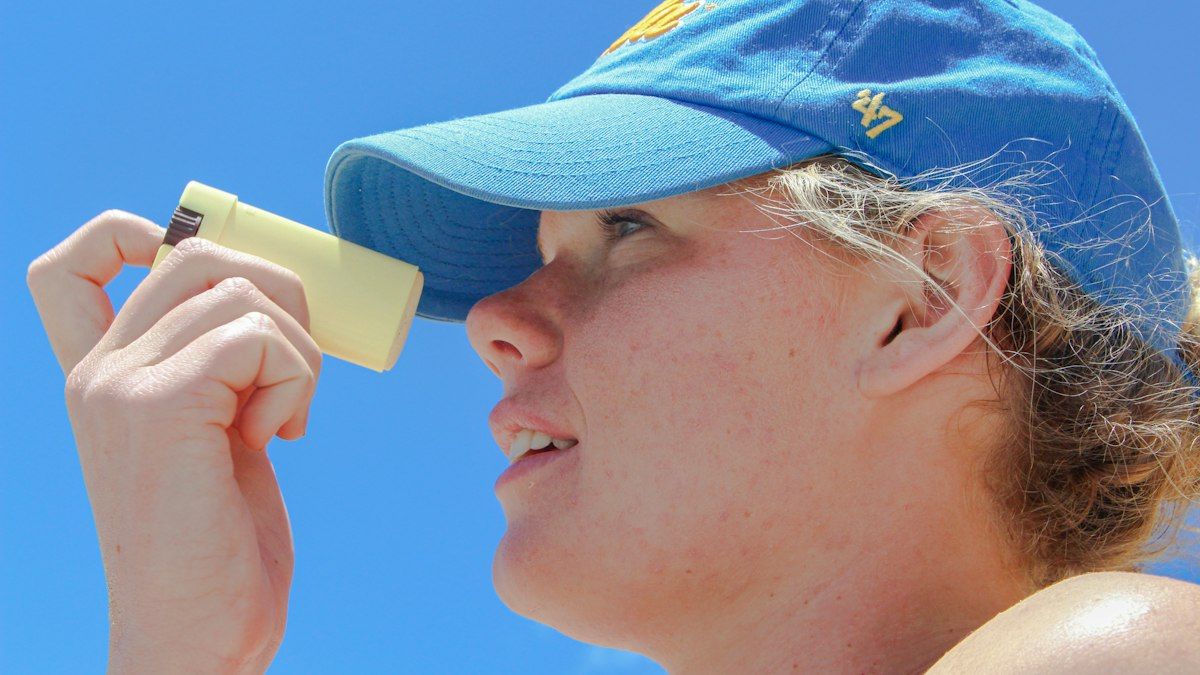
Sun protection comes first on most days at sea. The water reflects sunlight back at you, so exposed skin burns faster than you think. A few items are worth bringing along:
- Sunscreen and a hat
- Polarized sunglasses
- Light, quick-drying layers
- Non-marking, flat-soled shoes
- Water and snacks, if the trip does not provide them
- A small bag for your phone, keys and wallet
Keep your phone in a waterproof pouch or a sealed bag, since spray and wet decks are rough on electronics. If you plan to take photos, a strap or lanyard stops a dropped phone from ending up overboard.
On the Day Itself
Listen to the captain. They know the boat, the water and the conditions, and a short safety talk at the start is normal. Follow their instructions on where to stand, how to handle gear and when to move around. Boats are unforgiving of hurried movement, and the crew is there to keep everyone safe and fishing.
Go in with sensible expectations. Fishing is unpredictable, and even the best captains cannot promise a particular catch. A day that goes well usually comes down to patience, good conversation and being ready when the action starts. Ask questions, since most guides enjoy explaining what they are doing and why.
Planning a charter does not need to be complicated. Know what you want, ask clear questions, read the confirmation properly and pack for comfort. If you are looking at Tuna Wahoo Charters for your trip out of West Palm Beach, reach out with your group size and what you have in mind, and use the checklist above to make sure nothing gets missed.