%2Ffit-in%2F250x250%2Fusers%2F7bf13502-48d2-40e5-bd8b-3eecd22bbcf7%2Fimages%2F7323c9f3-e545-4012-b5bb-83d13b651ae4.jpeg&w=1920&q=100)

Complete Guide to Scuba Diving Certification for Beginners
%2Ffit-in%2F1000x1000%2Ffilters%3Aformat(webp)%2Fusers%2F7bf13502-48d2-40e5-bd8b-3eecd22bbcf7%2Fprofile%2Ffd9e5415-1e72-4fb9-9af3-f41ca74488a2.content%3A%2F%2Fmedia%2Fexternal%2Fimages%2Fmedia%2F19&w=1920&q=75)
Updated: September 17, 2026
Scuba Diving Certification: Your Complete Path from Beginner to Open Water Diver
The underwater world beckons with coral reefs, shipwrecks, and marine life that can only be experienced through scuba diving. But before you can explore these aquatic wonders, you'll need proper training and credentials. Scuba diving certification opens the door to this remarkable realm, transforming complete beginners into confident divers capable of exploring depths up to 60 feet. The certification process might seem complex at first glance, but understanding each phase makes the journey both manageable and rewarding.
Understanding the Certification Process
The path to becoming a certified diver follows a structured progression designed to build skills progressively. Most certification agencies, including PADI, NAUI, and SSI, require three main components: academic learning, confined water training, and open water dives.
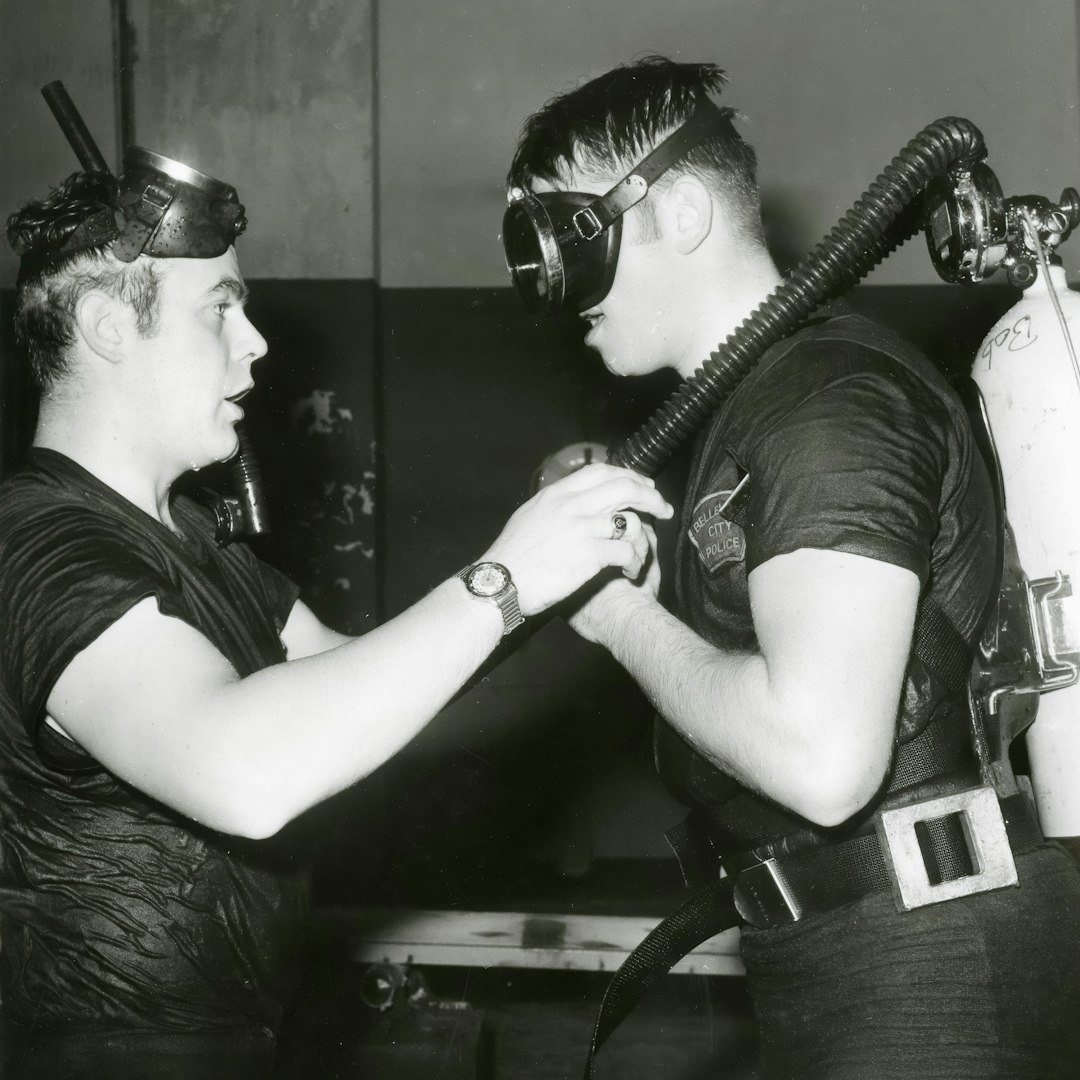 Photo by Community Archives of Belleville and Hastings County on Unsplash
Academic training covers essential theory including dive physics, physiology, equipment operation, and safety protocols. You'll learn about nitrogen absorption, pressure effects on the body, and emergency procedures. This knowledge forms the foundation for safe diving practices throughout your underwater adventures.
Confined water training takes place in swimming pools or calm, shallow waters. Here you'll practice fundamental skills like mask clearing, regulator recovery, and buoyancy control. These sessions allow you to master equipment usage in a controlled environment before advancing to open water.
Open Water Certification Requirements
Open Water certification represents the entry-level credential that most new divers pursue. The program typically requires 4-6 open water training dives conducted with a certified instructor in natural water environments.
Age requirements vary by agency, but most programs accept students as young as 10 years old for junior certifications, with full Open Water credentials available at age 15. No prior diving experience is necessary, though basic swimming ability is essential. Students must demonstrate comfort in water by treading water for 10 minutes and swimming 200-300 yards.
Medical considerations play a crucial role in certification eligibility. Certain conditions like heart problems, respiratory issues, or pregnancy may require physician clearance before training begins. Honest disclosure during medical screening protects both student safety and program integrity.
Training Components and Timeline
A complete scuba diving certification program unfolds over several days or weeks, depending on scheduling preferences. Academic portions can often be completed online through e-learning platforms, allowing flexible pacing for busy schedules.
Pool sessions typically require 2-3 training periods, each lasting 2-4 hours. During these sessions, you'll practice essential skills repeatedly until they become second nature. Skills include equipment assembly, underwater communication, emergency ascent procedures, and navigation basics.
 Photo by Smithsonian on Unsplash
Open water training dives constitute the program's culminating phase. These dives take place in lakes, quarries, or ocean environments where you'll apply classroom knowledge and pool skills in real diving conditions. Each dive focuses on specific objectives, from demonstrating buoyancy control to practicing underwater problem-solving scenarios.
Costs and Equipment Considerations
Certification costs vary significantly based on location, agency, and included services. Basic Open Water programs typically range from $300-600, with additional expenses for equipment rental, certification materials, and open water dive fees.
Many diving centers offer equipment packages that include mask, snorkel, fins, and boots as part of certification programs. Rental gear for training dives usually covers wetsuits, regulators, BCDs (buoyancy control devices), and tanks. Some students prefer purchasing personal gear during training to ensure proper fit and familiarity.
Budget considerations should include potential travel costs for open water training, especially for inland students who may need to travel to suitable diving locations. However, the investment in proper training pays dividends in safety, confidence, and enjoyment throughout your diving career.
Choosing Training Locations and Instructors
Location selection significantly impacts your certification experience. Florida scuba diving locations offer year-round training opportunities with excellent visibility and diverse marine environments. Popular training destinations include Key Largo, Jupiter, and crystal-clear freshwater springs throughout the state.
Instructor quality makes the difference between adequate training and exceptional preparation for independent diving. Look for professionals with extensive experience, excellent safety records, and teaching styles that match your learning preferences. Small class sizes ensure personalized attention and thorough skill development.
Professional diving guides often serve as excellent training instructors, bringing real-world experience and local knowledge to certification programs. Their expertise extends beyond basic requirements, offering insights into regional diving conditions, marine life encounters, and advanced techniques.
Advanced Certification Pathways
Open Water certification represents just the beginning of potential diving education. Advanced Open Water programs introduce specialized skills like deep diving, navigation, night diving, and wreck exploration. These programs expand depth limits and diving environments while building confidence and capability.
Specialty certifications allow divers to pursue specific interests such as underwater photography, marine biology, or technical diving. Each specialty adds knowledge and skills that enhance diving experiences while opening new underwater opportunities.
Professional development pathways lead toward instructor certifications for those interested in sharing their passion through teaching. Dive professional training represents a significant commitment but offers rewarding career opportunities in the diving industry.
Ready to begin your underwater adventure? Contact our certified instructors today to schedule your scuba diving certification program and take the first step toward exploring the ocean's hidden treasures.
Safety Standards and Ongoing Education
Safety remains paramount throughout certification training and beyond. Modern scuba diving certification programs emphasize conservative diving practices, buddy system protocols, and emergency response procedures. Students learn to plan dives within safe limits, monitor air supplies continuously, and execute controlled ascents.
Continuing education plays a vital role in maintaining and improving diving skills. Many divers benefit from refresher courses after extended periods away from diving, while others pursue advanced training to explore new environments and challenges. Regular practice and ongoing learning contribute to safer, more enjoyable diving experiences throughout your underwater journey.
Earning your scuba diving certification opens doors to underwater exploration that few people ever experience. The structured training process ensures you develop essential skills while building confidence for independent diving adventures. From classroom theory to open water mastery, each phase prepares you for safe, enjoyable diving experiences. With proper certification in hand, coral reefs, shipwrecks, and marine ecosystems become accessible playgrounds for lifelong exploration and discovery.


%2F%2Fguide_websites%2F2112%2Fimages%2F1770895628475boating_adobestock_54715554.jpeg&w=1920&q=75)