Scuba Diving Depth Limits and Safety Stops Explained

Dive Deeper, Stay Safer
Ask Tuna Wahoo Charters about scuba diving in West Palm Beach.

Published:
Updated:
Why depth limits exist in the first place
Every recreational diver hears about the 130 foot (40 meter) limit early on, and it is easy to treat it as an arbitrary line drawn by a training agency. It is not. That number comes from how the body behaves under pressure, and it marks the point where the margin for error gets thin for divers using ordinary air and basic training.
Pressure builds fast as you go down. Every 33 feet of seawater adds roughly one atmosphere, so a diver at 99 feet is breathing gas at four times the surface pressure. At that depth the air is denser, each breath moves more gas through the lungs, and the body absorbs more nitrogen with every minute spent there.
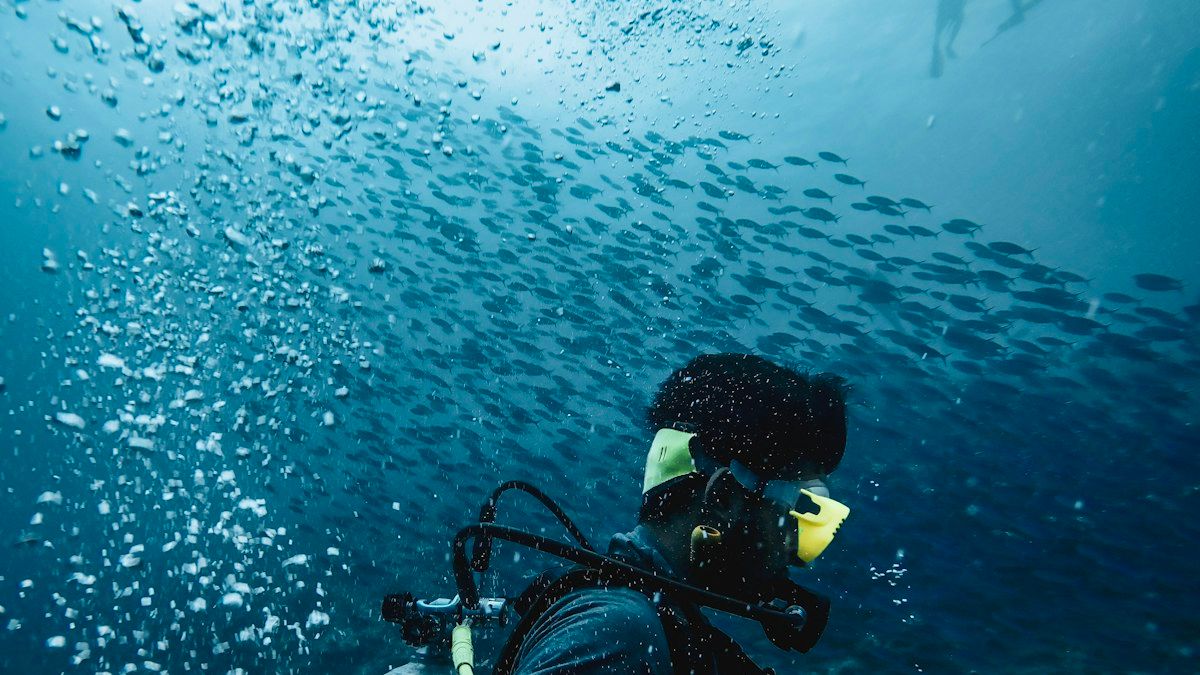
Deeper dives also bring nitrogen narcosis. Most divers start to notice it somewhere past 70 to 100 feet. It feels like a mild fog, slower thinking and a looser sense of risk, and it hits different people on different days. A limit that looks conservative on paper is partly a limit on how clearly you can think when something goes wrong.
What recreational diving limits actually look like
Recreational diving limits come in layers, and your certification level sets the first one. Open water divers are generally trained for shallower depths than advanced divers, and the numbers your agency publishes are the ones you should plan around. Those are the figures to check on your own card and course materials, since agencies word them a little differently.
The second layer is the no-decompression limit, often shortened to NDL. This is the amount of time you can stay at a given depth and still come straight to the surface without a required decompression stop. The deeper you go, the shorter that time gets. A dive at 100 feet leaves far less bottom time than a dive at 40 feet, which is why shallow reefs feel so generous.
The third layer is personal. Your fitness, your air consumption, the water temperature and how recently you last dived all change what a sensible plan looks like. Two divers with the same card can reasonably plan different dives on the same day.
The science behind decompression
Breathing air at depth means nitrogen dissolves into your blood and tissues. Your body does not use it. It simply carries it along, and it stays dissolved as long as the surrounding pressure is high enough to hold it there.
As you ascend and the pressure drops, that nitrogen needs to leave your tissues and travel back out through the lungs. If you rise slowly, it does this as a gas you breathe out without trouble. If you rise too fast, the nitrogen can form bubbles in tissue and blood, which is the mechanism behind decompression sickness. Symptoms can range from joint pain and unusual fatigue to serious problems involving the nervous system.
Tissues take up and release nitrogen at different speeds. Fast tissues fill and clear quickly, while slow tissues hold on to nitrogen longer. Dive tables and dive computers model this using a set of theoretical tissue groups, and the computer keeps recalculating as your depth changes. That is why following your computer's ascent rate matters as much as watching your depth gauge.
Why a safety stop is worth three minutes
A safety stop is a short pause, usually three minutes at around 15 feet, before you surface. It is not required for most no-decompression dives, which is exactly why some divers skip it. They should not.
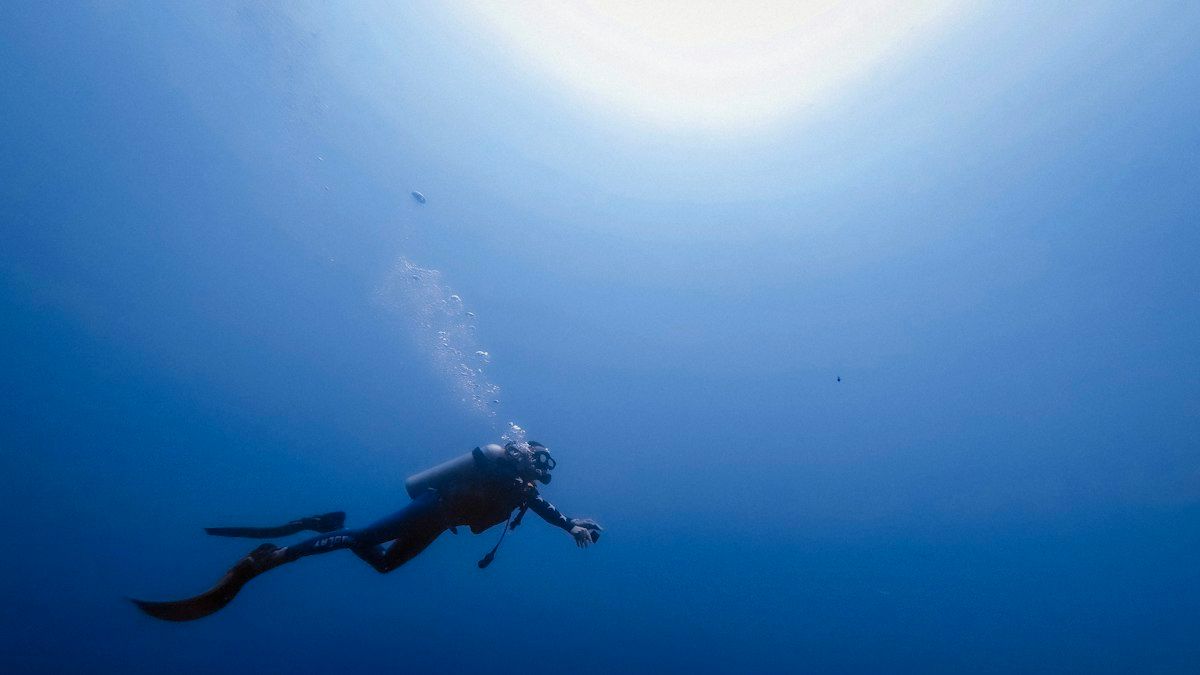
The pause gives your body extra time to release nitrogen while the pressure change is still gentle. The last 15 feet of an ascent is where pressure changes fastest in relative terms, so slowing down there does real work. It also gives you a built-in moment to check your air, your buddy and the surface above you before you break through.
It is worth treating the stop as part of the dive plan rather than an optional extra. Fix your depth with a controlled hover, keep your breathing slow and watch your computer rather than the clock on your wrist. If you are low on air, do not push through the stop at the cost of an uncontrolled ascent, because a calm, slightly shortened stop beats a rushed emergency swim.
Deep stops, extended stops and emergency decompression stops are separate topics. A deep stop is a brief pause at a greater depth on the way up. An emergency decompression stop applies when a diver exceeds the no-decompression limit by accident and needs to follow the computer's instructions or an agency procedure. Neither replaces a good dive plan, and neither is something to practice on purpose without proper training.
Building toward deeper certifications
Going deeper should be a series of steps, not a leap. Most divers begin with an entry-level certification, log a good number of dives and then take an advanced course that adds deeper dives under supervision. Those dives are the point of the course. You learn what narcosis feels like for you, how your air consumption changes and how to manage a deeper ascent.
Specialties are the next layer. Courses in deep diving, nitrox, wreck diving and navigation each build a specific skill, and each one makes a later, more demanding dive less stressful. Nitrox in particular is worth understanding, because the gas mix changes how your depth limits are calculated and requires its own training before you use it.
Experience matters as much as the card. A diver with fifty varied dives usually handles a surprise better than one who earned an advanced certificate last weekend. Log your dives honestly, notice how you felt at depth and let comfort set the pace instead of ambition.
Habits that keep every dive within its limits
Most depth and decompression problems start with small shortcuts. A few habits catch nearly all of them.
- Plan the maximum depth and bottom time before you enter the water, and agree on it with your buddy.
- Ascend no faster than your computer allows, and stop for three minutes at around 15 feet.
- Turn the dive on the air you planned to turn it on, not on the air you have left.
- Stay well hydrated and rested, and give yourself time between dives instead of stacking them.
- Do not dive beyond your certification, even when the water is clear and the conditions are inviting.
None of this is complicated. What makes it work is doing it on every dive, including the easy ones. Divers who treat a calm 40 foot reef dive with the same care as a deeper one are the divers who stay comfortable when conditions change.
Planning dives in the West Palm Beach area
If you dive out of West Palm Beach, plan the same way you would anywhere else. Check your certification, agree on a depth limit with your buddy and let your computer guide the ascent. Tuna Wahoo Charters, run by Thenna Df, lists scuba diving among its rate card offerings, so it is worth getting in touch to ask what is available and how a trip would be set up before you pick a date.