Scuba Diving vs Snorkeling: Which One Fits Your Trip?

Ready to Go Beneath the Surface?
Take the step from the surface to the reef. Ask Tuna Wahoo Charters about scuba diving.

Published:
Updated:
If you are standing at the edge of a trip and wondering whether to snorkel or dive, you are asking the right question. Both get you into the water and both show you a side of the ocean you cannot see from a boat deck. They are very different experiences, though, and the better pick depends on how comfortable you feel in the water and what you want out of the day.
This comparison walks through the practical differences: what each activity asks of you, what you carry, how long you stay under, and what you actually get to see. By the end you should have a clear sense of which one fits your trip, and when it makes sense to step up to scuba diving.
What Each Activity Actually Is
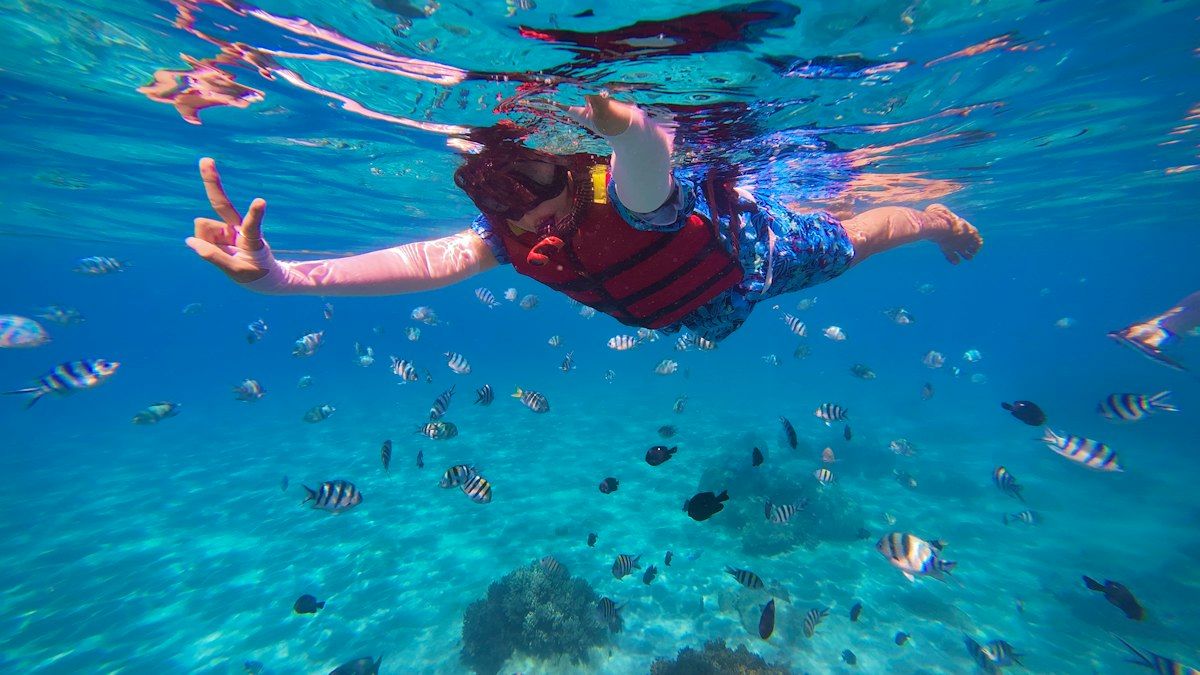
Snorkeling is surface swimming with a mask, a breathing tube and usually fins. You float face down and look at what is below you while breathing through the tube. Your head is at the surface the whole time, so you never leave the top layer of the water.
Scuba diving is breathing from a tank of air carried on your back, which lets you go below the surface and stay there. You move through the water column instead of over it. That single difference changes nearly everything else on this list, from the skills involved to the way the time feels.
Training and Comfort in the Water
Snorkeling asks very little. You need to be comfortable in the water, relaxed with your face submerged, and able to breathe steadily through a tube. Most people pick it up within a few minutes of getting in, and the learning curve is gentle.
Scuba diving for beginners works differently. You are learning to breathe underwater, control your buoyancy, clear water from your mask and equalize the pressure in your ears as you go deeper. None of this is out of reach for most people, but it does take instruction and practice, and it rewards patience. If you are a nervous swimmer, you can start with snorkeling to build confidence and move to diving when you feel ready.
Be honest with yourself about comfort. Some people love the idea of diving but feel uneasy the moment their face goes under. Others are at ease the second they are in the water and want to see more. Neither is a wrong answer, and knowing which one you are saves you from picking the wrong activity on the day.
Equipment You Will Handle
Snorkeling gear is light and simple. A mask, snorkel and fins make up the core kit, and you can carry all of it in one hand. Setting up takes a minute or two, which keeps the day relaxed.
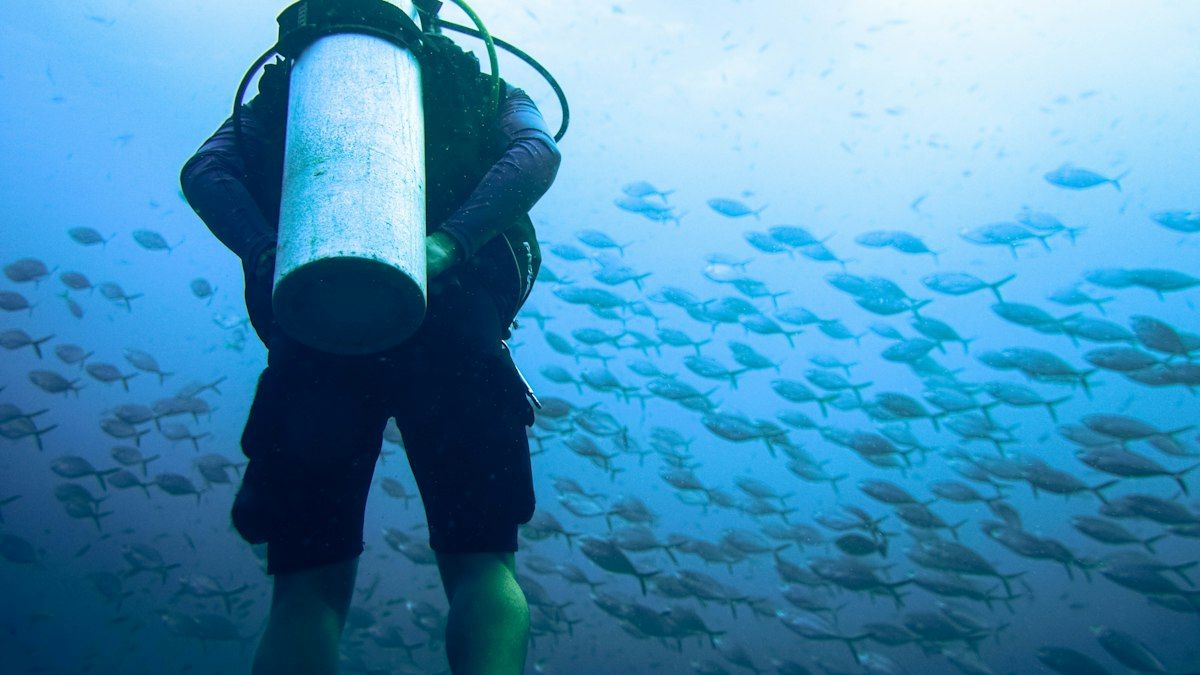
Scuba diving involves more equipment, and each piece does a specific job. Here is what you will typically be wearing and using:
- A tank that holds your air supply
- A regulator that delivers that air to your mouth
- A buoyancy control device that helps you rise, sink and hover
- A mask and fins, like snorkelers use
The extra gear is a reason diving feels more involved, but it is also what makes the longer, deeper experience possible. You will learn how each piece works as part of your instruction, so you do not need to arrive knowing any of it.
Time Underwater and What You Can See
Time is where the two activities part ways most clearly. A snorkeler can float for as long as they stay comfortable, but they are looking down from above and have to hold their breath to go under for even a moment. You see the upper layer of the water well, and it can be a lovely view on a clear day.
A diver has the air supply to stay below, so the time spent actually in the underwater world is much longer. You can drift past structure, look at things from the side instead of from above, and take your time over what catches your eye. The view changes from looking into the water to being part of it.
That shift is the real difference in what each experience offers. Snorkeling gives you a window. Scuba diving puts you on the other side of it, moving slowly through the same space the marine life lives in. Many people who snorkel first find that they want exactly that closer, slower look.
Choosing Between Them
Think about three things: your comfort in the water, how much effort you want to put in, and what you hope to take away. Snorkeling suits you if you want something simple, low-pressure and easy to set up, or if you are still deciding how much you like being in the ocean. It works well for a relaxed day, for mixed groups, and for anyone who wants to stay close to the surface.
Scuba diving suits you if you are curious about what lies below and willing to learn a few new skills to get there. It asks more of you, and it gives more back. If you read this far because you keep wondering what the view looks like from underneath, that curiosity is usually the sign you are ready.
The two are not rivals. Plenty of people start with a snorkel, enjoy it, and later move to a tank because they want more time and a deeper look. Treat snorkeling as a good first step if you are unsure, and scuba diving as the deeper option when you want the full experience.
Taking the Next Step
If you are leaning toward diving, the best move is to talk it through with someone who knows the local water. Tuna Wahoo Charters, run by Thenna Df out of West Palm Beach, Florida, offers scuba diving, so you can ask about the experience and whether it fits what you have in mind. Bring your questions about comfort level and goals, and you will get a clearer picture of how to get started.
Whichever you choose, the goal is the same: a day on the water you actually enjoy. Pick the one that matches how you feel right now, and know that the next level will still be there when you want it.